Best HRMS Systems – In the fast-paced world of business, managing human resources efficiently is vital for organizational success. Human Resource Management Systems (HRMS) have become indispensable tools for modern businesses, facilitating seamless management of various HR functions. From employee data management to payroll processing, these systems offer a comprehensive solution to streamline HR operations.
Importance of HRMS in Modern Businesses
In today’s dynamic business environment, organizations are constantly seeking ways to optimize their HR processes. HRMS systems play a crucial role in achieving this goal by providing efficient tools to handle complex HR tasks. By automating manual processes and integrating various HR functions into a single platform, HRMS systems enable businesses to improve efficiency, reduce costs, and enhance overall productivity.
Key Features of HRMS Systems
Employee Database Management: HRMS systems serve as centralized repositories for storing and managing employee information, including personal details, contact information, employment history, performance reviews, and more.
Payroll Management: These systems automate payroll processing tasks, including salary calculation, tax deductions, reimbursements, and direct deposit, ensuring accurate and timely payment to employees.
Attendance Tracking: HRMS systems enable organizations to track employee attendance, manage leave requests, and generate attendance reports, facilitating better workforce management.
Performance Evaluation: HRMS systems streamline the performance evaluation process by providing tools for setting goals, conducting reviews, assessing employee performance, and identifying areas for improvement.
Recruitment and Onboarding: These systems facilitate the entire recruitment process, from job posting and candidate screening to onboarding and orientation, helping organizations attract and retain top talent.
Training and Development: HRMS systems offer training and development modules to create and manage training programs, track employee progress, and assess training effectiveness.
Employee Self-Service Portals: HRMS systems provide self-service portals where employees can access and update their personal information, view pay stubs, request time off, and participate in training activities, promoting employee empowerment and engagement.
Benefits of Using HRMS Systems
Improved Efficiency: By automating routine HR tasks and streamlining processes, HRMS systems help organizations save time and resources, allowing HR teams to focus on strategic initiatives.
Cost Reduction: HRMS systems eliminate the need for manual paperwork and reduce administrative overhead, resulting in cost savings for businesses.
Enhanced Data Accuracy: With centralized data storage and real-time updates, HRMS systems ensure data accuracy and integrity, minimizing errors and inconsistencies.
Streamlined Processes: HRMS systems standardize HR processes and workflows, reducing complexity and redundancy, and improving overall operational efficiency.
Better Decision Making: By providing access to real-time data and analytics, HRMS systems empower decision-makers to make informed choices regarding workforce management and strategy.
Compliance Management: HRMS systems help organizations stay compliant with labor laws, regulations, and industry standards by automating compliance-related tasks and generating accurate reports.
Factors to Consider When Choosing an HRMS
Selecting the right HRMS for your organization requires careful consideration of several factors:
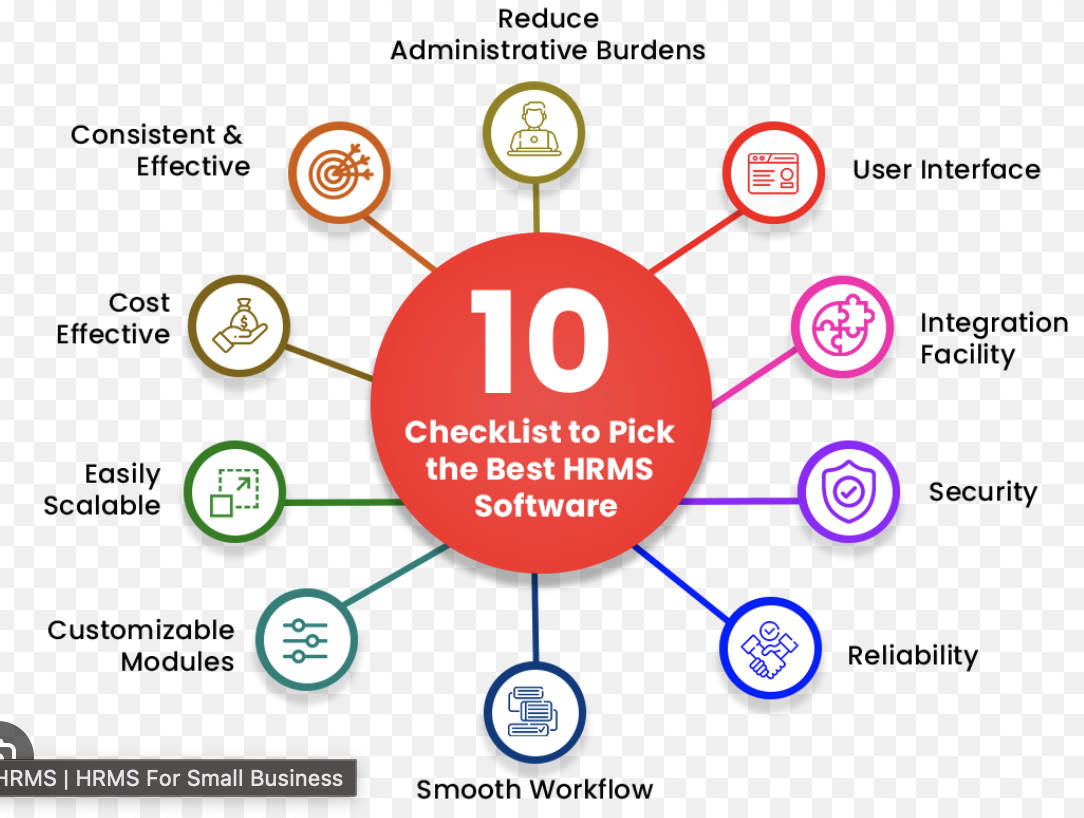
Company Size and Requirements: Choose an HRMS that aligns with the size and specific needs of your organization.
Budget: Determine your budget for HRMS implementation, including software costs, implementation fees, and ongoing maintenance expenses.
Scalability: Ensure that the HRMS can scale with your organization’s growth and accommodate future expansion.
Integration Capabilities: Select an HRMS that integrates seamlessly with your existing systems and software applications.
User-Friendliness: Prioritize user-friendly interfaces and intuitive features to facilitate adoption and usage by employees.
Customer Support: Evaluate the level of customer support and assistance provided by the HRMS vendor, including training, troubleshooting, and ongoing support services.
Top HRMS Systems in the Market
-
ADP Workforce Now: ADP is a well-established player in the HRMS arena, offering a robust platform that covers a wide range of HR functions, including payroll, benefits administration, time and attendance tracking, and talent management.
-
Oracle HCM Cloud: Oracle’s HCM (Human Capital Management) Cloud is a comprehensive solution that provides end-to-end HR management capabilities, including core HR, payroll, talent management, and workforce analytics, all delivered through a modern cloud-based platform.
-
Workday HCM: Workday is renowned for its cloud-based HCM platform, which offers features such as HR management, payroll, talent acquisition, learning management, and workforce planning. Its intuitive interface and advanced analytics capabilities make it a popular choice among businesses.
-
SAP SuccessFactors: SAP’s SuccessFactors is a leading cloud-based HRMS solution known for its robust suite of HR tools, including core HR, talent management, workforce planning, and analytics. It offers scalability and flexibility to meet the needs of businesses of all sizes.
-
BambooHR: BambooHR is a popular choice for small to medium-sized businesses, offering a user-friendly HRMS platform with features such as applicant tracking, onboarding, performance management, and employee self-service.
-
Kronos Workforce Ready: Kronos Workforce Ready is a comprehensive HRMS solution that caters to businesses of all sizes, offering features such as time and attendance tracking, payroll processing, HR management, and compliance management.
-
UltiPro by Ultimate Software: UltiPro is known for its robust HRMS platform that covers HR, payroll, talent management, and employee experience management. Its AI-powered features and predictive analytics capabilities make it a preferred choice for organizations focused on employee engagement and retention.
Implementation and Adoption Challenges
While HRMS systems offer numerous benefits, implementing and adopting them within an organization can present challenges:
Resistance to Change: Employees may resist adopting new technologies and processes, leading to resistance to change and decreased productivity.
Data Migration Issues: Transferring data from legacy systems to the new HRMS platform can pose technical challenges and risks of data loss or corruption.
Training Needs: Employees may require training and support to familiarize themselves with the new HRMS system and maximize its potential.
Integration Challenges: Integrating the HRMS with existing systems and software applications can be complex and time-consuming, requiring careful planning and coordination.
Tips for Successful Implementation
To ensure a smooth and successful implementation of an HRMS system, consider the following tips:
Strong Leadership Support: Secure buy-in from senior leadership to champion the HRMS implementation initiative and drive organizational change.
Thorough Planning: Develop a comprehensive implementation plan that outlines goals, timelines, resource requirements, and potential risks.
Effective Communication: Communicate openly and transparently with employees about the reasons for implementing the HRMS system, its benefits, and the expected impact on their roles and responsibilities.
Training and Support: Provide adequate training and support to employees to help them adapt to the new HRMS system and leverage its full potential.
Future Trends in HRMS
The future of HRMS is marked by several emerging trends and innovations that are shaping the future of HR technology:
Artificial Intelligence and Machine Learning: AI and ML algorithms are being increasingly integrated into HRMS systems to automate repetitive tasks, personalize employee experiences, and derive actionable insights from data.
Mobile Integration: Mobile-friendly HRMS applications enable employees to access HR services and information on-the-go, enhancing convenience and accessibility.
Predictive Analytics: HRMS systems are incorporating predictive analytics capabilities to forecast workforce trends, identify potential risks, and make data-driven decisions.
Focus on Employee Experience: HRMS vendors are placing greater emphasis on enhancing the employee experience by offering intuitive interfaces, personalized services, and tools for employee engagement and development.
Conclusion
In conclusion, HRMS systems play a crucial role in modern businesses by providing efficient tools to manage various HR functions effectively. From streamlining processes and improving efficiency to enhancing data accuracy and enabling better decision-making, HRMS systems offer numerous benefits for organizations of all sizes. By selecting the right HRMS and implementing it successfully, businesses can gain a competitive edge and achieve their strategic HR objectives.