Best HRIS Systems for Growing Companies – In today’s fast-paced business environment, the need for efficient and effective Human Resource Information Systems (HRIS) has become increasingly vital, especially for growing companies. HRIS systems streamline various HR processes, enhance employee engagement, and ensure compliance with regulations. In this article, we’ll explore the best HRIS systems suitable for growing companies, their benefits, key features, and factors to consider when choosing one.
Benefits of HRIS Systems
Streamlined HR processes
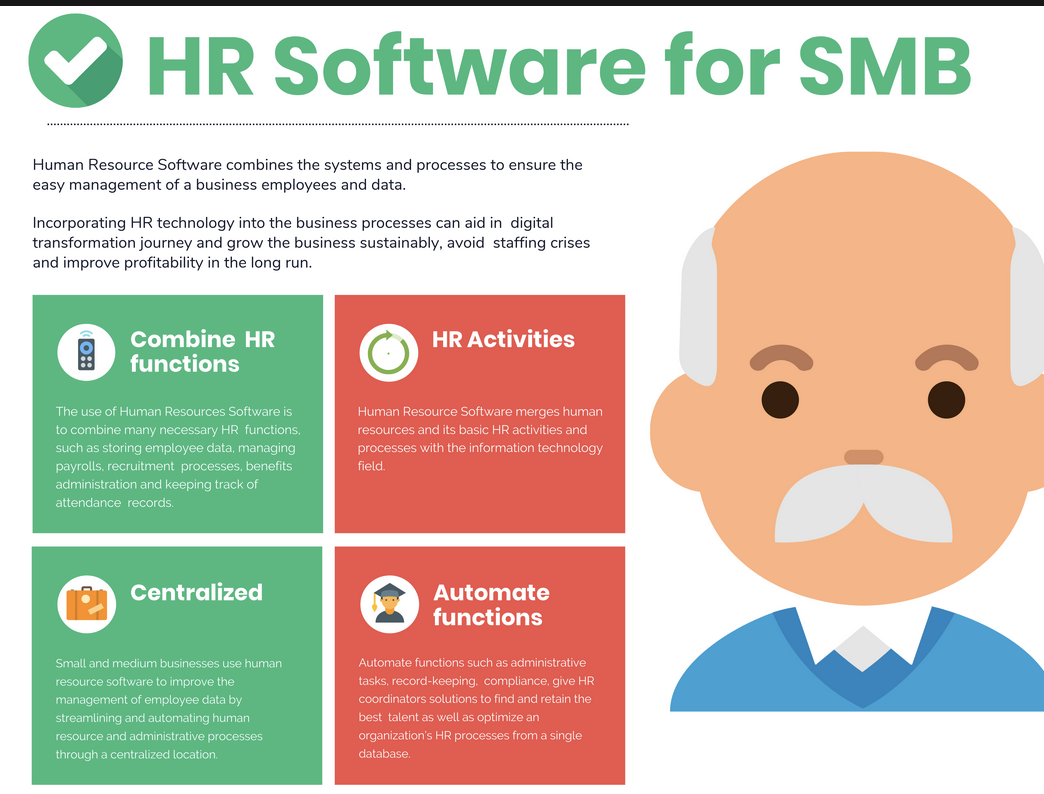
HRIS systems automate and streamline numerous HR tasks, such as employee data management, payroll processing, and benefits administration. This automation reduces manual effort and minimizes errors, allowing HR professionals to focus on strategic initiatives.
Improved data accuracy
By centralizing employee data, HRIS systems ensure data consistency and accuracy. This eliminates discrepancies and reduces the risk of compliance issues related to inaccurate or outdated information.
Enhanced employee self-service
Modern HRIS systems offer self-service portals where employees can access and update their personal information, view pay stubs, request time off, and enroll in benefits. This empowers employees, increases their satisfaction, and reduces administrative workload for HR staff.
Compliance management
HRIS systems help companies stay compliant with labor laws, regulations, and industry standards by automating compliance-related processes. From tracking employee certifications to managing leave entitlements, HRIS systems ensure adherence to legal requirements, minimizing the risk of penalties and lawsuits.
Key Features to Look for in HRIS Systems
Employee database management
A robust HRIS system should provide comprehensive employee profiles with essential information such as contact details, employment history, performance evaluations, and training records.
Time and attendance tracking
Accurate time and attendance tracking features enable companies to monitor employee work hours, track overtime, and generate payroll reports efficiently.
Payroll processing
An effective HRIS system should offer payroll processing capabilities, including tax calculations, direct deposit management, and statutory deductions, to streamline payroll administration and ensure timely and accurate payments.
Performance management
Advanced HRIS systems facilitate performance appraisal processes by providing tools for goal setting, feedback collection, performance reviews, and development planning, fostering employee growth and productivity.
Recruitment and onboarding
HRIS systems with robust recruitment and onboarding modules simplify the hiring process by enabling recruiters to post job openings, track applicants, conduct interviews, and onboard new hires seamlessly.
Top HRIS Systems for Growing Companies
Workday
Workday offers a cloud-based HRIS platform that integrates various HR functions, including HR management, payroll, time tracking, and talent acquisition. Its intuitive interface and advanced analytics make it an ideal choice for growing companies.
BambooHR
BambooHR is a user-friendly HRIS solution designed for small to medium-sized businesses. It offers features such as applicant tracking, employee onboarding, performance management, and HR reporting, all in one integrated platform.
Gusto
Gusto is a popular HRIS platform known for its simplicity and affordability. It offers payroll, benefits administration, compliance management, and employee self-service tools tailored for small businesses and startups.
Namely
Namely provides a comprehensive HRIS platform that combines HR, payroll, benefits, and talent management functionalities. Its flexible configuration options and scalable infrastructure make it suitable for growing companies of all sizes.
ADP Workforce Now
ADP Workforce Now is an all-in-one HRIS solution designed for midsize to large enterprises. It offers robust features for HR management, payroll processing, time and attendance tracking, benefits administration, and compliance management.
Factors to Consider When Choosing an HRIS System
Scalability
When selecting an HRIS system for a growing company, it’s essential to choose a solution that can scale with the business’s expansion. Look for systems that offer flexible pricing plans and scalability options to accommodate future growth.
Customization options
Every company has unique HR requirements, so choose an HRIS system that allows customization to meet specific needs. Whether it’s custom fields, workflows, or reporting templates, a flexible system ensures alignment with organizational processes.
Integration capabilities
Integration with existing software systems is crucial for seamless data flow and process automation. Consider HRIS solutions that offer robust integration capabilities with other business applications such as accounting software, CRM systems, and time tracking tools.
Pricing
Evaluate the total cost of ownership, including upfront costs, subscription fees, implementation expenses, and ongoing support costs. Compare pricing plans and choose an HRIS system that provides the best value for your investment.
User-friendliness
An intuitive user interface and ease of navigation are essential for user adoption and system utilization. Choose an HRIS system that offers a user-friendly experience for both HR administrators and employees, minimizing training time and maximizing productivity.
Implementation and Training
Importance of proper implementation
Successful implementation is critical for maximizing the benefits of an HRIS system. Engage with vendors who offer comprehensive implementation support, including data migration, system configuration, and training services.
Training employees on system usage
Provide adequate training to HR staff and end-users to ensure they understand how to use the HRIS system effectively. Offer training sessions, online tutorials, and user guides to empower employees and encourage adoption.
Certainly! Here’s the content discussing future trends in the best HRIS systems for growing companies:
Future Trends in Best HRIS Systems for Growing Companies
-
Artificial Intelligence (AI) Integration: AI is revolutionizing HRIS systems by automating repetitive tasks, predicting employee behavior, and providing data-driven insights. Future HRIS systems will incorporate AI-powered features such as chatbots for employee inquiries, resume screening for recruitment, and predictive analytics for workforce planning.
-
Blockchain Technology: Blockchain technology is gaining traction in HRIS systems for its ability to securely store and verify sensitive employee data, such as credentials, certifications, and performance records. HRIS platforms leveraging blockchain can enhance data security, transparency, and trust in employee information management.
-
Mobile Accessibility: With the increasing reliance on mobile devices, future HRIS systems will prioritize mobile accessibility, allowing employees to access HR services and information anytime, anywhere. Mobile apps will offer features such as self-service portals, time tracking, and communication tools, enhancing employee engagement and productivity.
-
Integration with Other Business Systems: HRIS systems will continue to integrate seamlessly with other business systems, such as payroll, accounting, and CRM software. Integration allows for real-time data exchange, eliminating manual data entry and ensuring consistency across different departments, enhancing overall operational efficiency.
-
Employee Experience Focus: Future HRIS systems will prioritize enhancing the employee experience by offering personalized and intuitive interfaces, tailored communication channels, and self-service options. These systems will focus on improving employee engagement, satisfaction, and retention, ultimately contributing to organizational success and growth.
-
Data Analytics and Predictive Insights: Advanced analytics and predictive insights will play a significant role in future HRIS systems, enabling companies to analyze large volumes of data to identify trends, forecast future workforce needs, and make data-driven decisions. HRIS platforms will offer customizable dashboards, reporting tools, and predictive models to empower HR professionals with actionable insights.
-
Enhanced Security Measures: With the increasing threat of data breaches and cyber-attacks, future HRIS systems will implement enhanced security measures to protect sensitive employee information. This includes features such as multi-factor authentication, encryption, and regular security audits to ensure compliance with data protection regulations.
Conclusion
In conclusion, implementing the right HRIS system is essential for growing companies to streamline HR processes, improve data accuracy, and enhance employee satisfaction. By choosing a system with the right features, scalability, and user-friendliness, companies can optimize their HR operations and support their growth trajectory effectively.