Best HCM Systems – In today’s fast-paced business environment, managing human capital effectively is crucial for organizational success. Human Capital Management (HCM) systems have emerged as indispensable tools for businesses of all sizes to streamline their HR processes and maximize the potential of their workforce. In this article, we’ll delve into the world of HCM systems, exploring their key features, benefits, popular options in the market, factors to consider when choosing one, case studies, and future trends.
Key Features of HCM Systems
Recruitment and Applicant Tracking
HCM systems offer robust solutions for managing the entire recruitment process, from posting job openings to onboarding new hires. Advanced applicant tracking features allow HR professionals to streamline candidate sourcing, screening, and interviewing, resulting in faster and more efficient hiring processes.
Employee Onboarding
Efficient onboarding is essential for ensuring new employees feel welcomed and prepared to contribute to the organization from day one. HCM systems automate and standardize the onboarding process, facilitating the completion of paperwork, orientation training, and setting up access to necessary tools and resources.
Performance Management
HCM systems provide tools for setting and tracking employee performance goals, conducting regular evaluations, and providing feedback. These systems enable managers to identify top performers, address performance issues promptly, and align individual goals with organizational objectives.
Learning and Development
Continuous learning and development are crucial for employee growth and retention. HCM systems offer learning management features, including online training modules, skills assessments, and personalized development plans, empowering employees to enhance their skills and advance their careers.
Compensation Management
Managing employee compensation and benefits can be complex, especially in organizations with diverse workforce demographics. HCM systems streamline compensation management processes, including salary administration, bonus allocation, and benefits enrollment, ensuring fairness and compliance with regulations.
Employee Engagement
Engaged employees are more productive, satisfied, and likely to stay with their employers. HCM systems incorporate tools for measuring employee engagement, gathering feedback through surveys and performance reviews, and implementing initiatives to improve workplace satisfaction and morale.
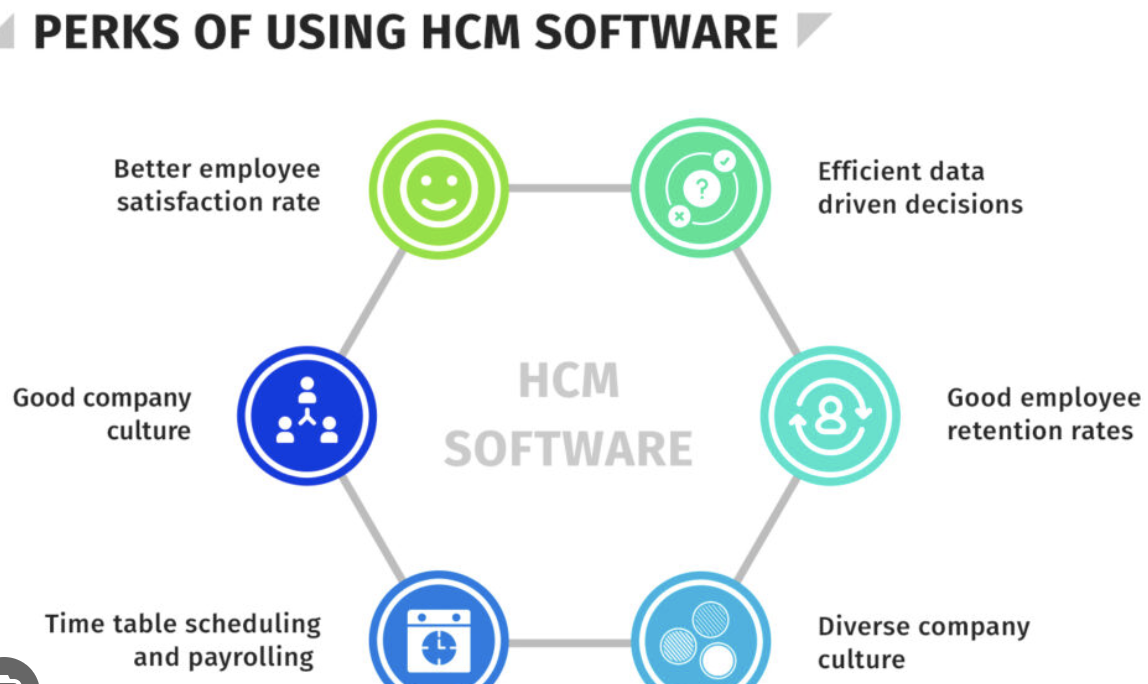
Benefits of Using HCM Systems
Streamlined HR Processes
By automating repetitive tasks and centralizing data management, HCM systems reduce the administrative burden on HR teams, allowing them to focus on strategic initiatives and employee development.
Improved Employee Experience
From recruitment to retirement, HCM systems enhance the employee experience by providing self-service options, personalized communication, and access to relevant information and resources.
Enhanced Decision-Making
Data-driven insights generated by HCM systems enable HR professionals and business leaders to make informed decisions regarding workforce planning, talent management, and organizational development.
Compliance Management
Compliance with labor laws, regulations, and industry standards is essential for avoiding legal risks and maintaining organizational integrity. HCM systems help ensure compliance by automating record-keeping, tracking policy changes, and generating audit reports.
Scalability
As organizations grow and evolve, their HR needs become more complex. Offer scalable solutions that can adapt to changing business requirements, whether expanding into new markets, adding remote workforce, or implementing new HR processes.
Popular HCM Systems in the Market
Several are widely recognized for their comprehensive features, user-friendly interfaces, and proven track records in supporting HR operations. Some of the leading options include:
- Oracle HCM Cloud: A cloud-based platform offering end-to-end HR solutions, including core HR, talent management, and workforce analytics.
- SAP SuccessFactors: A suite of cloud-based HR modules covering recruitment, performance management, learning, and compensation.
- Workday: A unified platform for HR, finance, and planning, known for its intuitive interface, mobile accessibility, and AI-driven insights.
- BambooHR: A user-friendly HRIS solution designed for small and medium-sized businesses, offering features such as applicant tracking, onboarding, and performance management.
- ADP Workforce Now: A comprehensive HR and payroll solution suitable for businesses of all sizes, offering modules for HR management, payroll processing, and time tracking.
Factors to Consider When Choosing an HCM System
Selecting the right HCM system for your organization requires careful consideration of various factors, including:
- Company Size and Requirements: Assess your organization’s size, industry, and specific HR needs to determine which features and functionalities are essential.
- Budget Considerations: Evaluate the total cost of ownership, including implementation, licensing, and ongoing support, to ensure the chosen solution aligns with your budgetary constraints.
- Integration Capabilities: Determine whether the HCM system can seamlessly integrate with existing software applications and platforms used across your organization.
- User-Friendliness: Test the user interface and navigation of the HCM system to ensure it is intuitive and easy for both administrators and end-users to use.
- Customer Support: Research the vendor’s reputation for customer service and support, including response times, availability of training resources, and ongoing updates and maintenance.
Case Studies
Real-world examples of organizations that have successfully implemented HCM systems and achieved tangible benefits can provide valuable insights and inspiration for businesses considering similar initiatives.
Future Trends in HCM Systems
The landscape of HCM systems continues to evolve rapidly, driven by technological advancements and changing workforce dynamics. Some emerging trends shaping the future of HCM include:
- Artificial Intelligence and Machine Learning: are increasingly incorporating AI and machine learning capabilities to automate routine tasks, personalize employee experiences, and provide predictive analytics for workforce planning.
- Remote Work and Flexible Policies: The rise of remote work and flexible work arrangements is driving the demand for that support virtual collaboration, remote onboarding, and performance management across distributed teams.
- Personalized Employee Experiences: Are shifting towards personalized and adaptive interfaces that tailor the employee experience based on individual preferences, career goals, and performance metrics.
Conclusion
In conclusion, HCM systems play a pivotal role in modern HR management by enabling organizations to effectively attract, develop, and retain top talent. By leveraging the key features and benefits of HCM systems, businesses can streamline their HR processes, enhance employee engagement, and gain a competitive edge in the marketplace.