Human Resources Management System – Human Resources Management System (HRMS) is a pivotal tool for modern businesses, facilitating efficient management of human resources processes. From employee data management to payroll processing, HRMS offers a comprehensive solution to streamline HR operations. In this article, we delve into the intricacies of HRMS, its importance, key features, types, implementation strategies, challenges, and future trends.
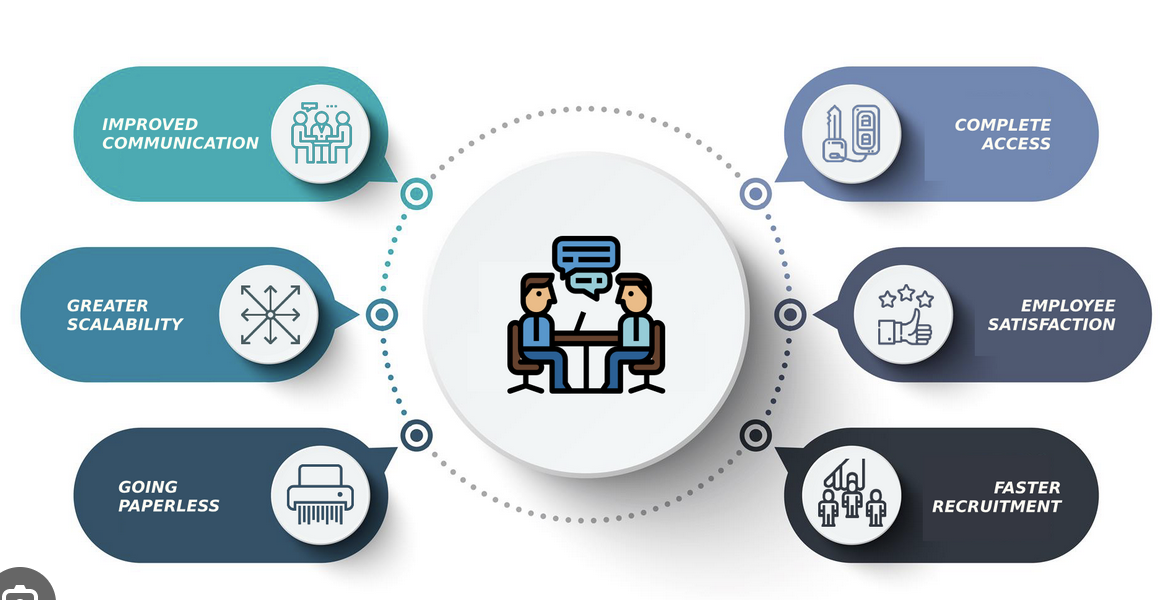
Importance of HRMS
Streamlined Processes
HRMS automates various HR tasks, such as attendance tracking, leave management, and performance evaluations, reducing manual intervention and saving time. This streamlining enhances operational efficiency and ensures consistency in HR processes.
Data Centralization
One of the significant advantages of HRMS is the centralization of employee data. It provides a single platform to store and access crucial information, eliminating the need for multiple spreadsheets or disparate systems. Centralized data enhances data accuracy and accessibility.
Compliance Management
With ever-evolving labor laws and regulations, compliance management becomes challenging for organizations. HRMS assists in ensuring compliance by automating regulatory processes, such as tax calculations, reporting, and documentation, thereby mitigating legal risks.
Improved Decision Making
HRMS generates comprehensive reports and analytics, offering insights into various HR metrics, such as employee turnover, performance trends, and recruitment effectiveness. These insights enable informed decision-making, leading to better workforce management strategies.
Key Features of HRMS
Employee Database Management
HRMS serves as a centralized repository for employee information, including personal details, employment history, and performance records. It facilitates easy retrieval and updating of employee data, ensuring data accuracy and compliance.
Time and Attendance Tracking
HRMS automates time tracking processes, allowing employees to log their working hours accurately. It enables managers to monitor attendance, track leaves, and manage schedules efficiently.
Payroll Management
Payroll processing is simplified with HRMS, automating tasks such as salary calculations, tax deductions, and direct deposit management. It ensures timely and accurate disbursal of salaries while complying with tax regulations.
Performance Management
HRMS facilitates performance evaluations through customizable appraisal templates, goal setting features, and performance tracking tools. It streamlines the performance review process, fostering continuous feedback and employee development.
Recruitment and Applicant Tracking
From job postings to candidate screening and onboarding, HRMS streamlines the recruitment process. It enables recruiters to create job postings, track applicant progress, conduct interviews, and manage offers efficiently.
Training and Development
HRMS facilitates employee training and development initiatives by providing learning management systems (LMS) and training modules. It allows employees to access training materials, track their progress, and acquire new skills, enhancing their productivity and engagement.
Reporting and Analytics
HRMS generates customizable reports and analytics on various HR metrics, providing insights into workforce demographics, performance trends, and organizational health. These insights aid in strategic decision-making and workforce planning.
Types of HRMS
On-Premises HRMS
On-premises HRMS software is installed and maintained on the organization’s servers, offering greater control over data and customization options. However, it requires significant upfront investment and ongoing maintenance.
Cloud-Based HRMS
Cloud-based HRMS solutions are hosted on remote servers and accessed via the internet. They offer scalability, flexibility, and accessibility, with reduced infrastructure costs and automatic software updates. Cloud HRMS is increasingly preferred for its ease of deployment and remote accessibility.
Implementation of HRMS
Assessing Needs and Requirements
Before implementing HRMS, organizations must assess their HR needs, identify pain points, and define objectives. Understanding the requirements helps in selecting the right HRMS solution tailored to the organization’s needs.
Vendor Selection
Choosing the right HRMS vendor is crucial for successful implementation. Organizations should evaluate vendors based on factors such as functionality, scalability, support, and pricing. Requesting demos and customer references can help in making an informed decision.
Customization and Configuration
Once the HRMS solution is selected, customization and configuration are essential to align the system with the organization’s processes and workflows. Customization ensures that the HRMS meets specific requirements and integrates seamlessly with existing systems.
Training and Adoption
Effective training programs are essential to ensure user adoption and maximize the benefits of HRMS. Training sessions should cover system functionalities, best practices, and troubleshooting techniques. Continuous support and feedback mechanisms aid in smooth adoption.
Challenges in Implementing HRMS
Resistance to Change
Resistance from employees and stakeholders is a common challenge in HRMS implementation. Change management strategies, communication, and stakeholder engagement are essential to overcome resistance and foster adoption.
Integration Issues
Integrating HRMS with existing systems, such as payroll software or ERP systems, can pose integration challenges. Compatibility issues, data migration complexities, and system interoperability need to be addressed during implementation.
Data Security Concerns
Securing sensitive employee data is paramount in HRMS implementation. Organizations must implement robust security measures, such as encryption, access controls, and regular audits, to safeguard data privacy and comply with regulations.
Future Trends in HRMS
Artificial Intelligence and Machine Learning
AI and machine learning technologies are revolutionizing HRMS, enabling predictive analytics, talent management automation, and personalized employee experiences. AI-powered chatbots and virtual assistants enhance HR service delivery and employee engagement.
Employee Experience Enhancement
HRMS focuses on enhancing employee experience through self-service portals, mobile applications, and personalized communication. Tailored HR solutions, flexible work arrangements, and wellness programs contribute to a positive employee experience and increased retention.
Mobile Applications
Mobile-enabled HRMS applications offer anytime, anywhere access to HR services, empowering employees to manage tasks on the go. Mobile apps facilitate self-service functionalities, such as leave requests, expense claims, and performance feedback, enhancing workforce productivity and engagement.
Conclusion
Human Resources Management System (HRMS) plays a vital role in modern organizations, streamlining HR processes, enhancing data management, and enabling informed decision-making. By leveraging the key features of HRMS and addressing implementation challenges, organizations can optimize HR operations and drive business success.