Best HCM Software – In today’s dynamic business environment, organizations are constantly seeking ways to streamline their operations and maximize efficiency. One area where significant improvements can be made is in human capital management (HCM). HCM software offers comprehensive solutions to manage various aspects of the employee lifecycle, from recruitment to retirement. This article serves as an introduction to the best HCM software available in the market, outlining key features, benefits, considerations, and popular solutions.
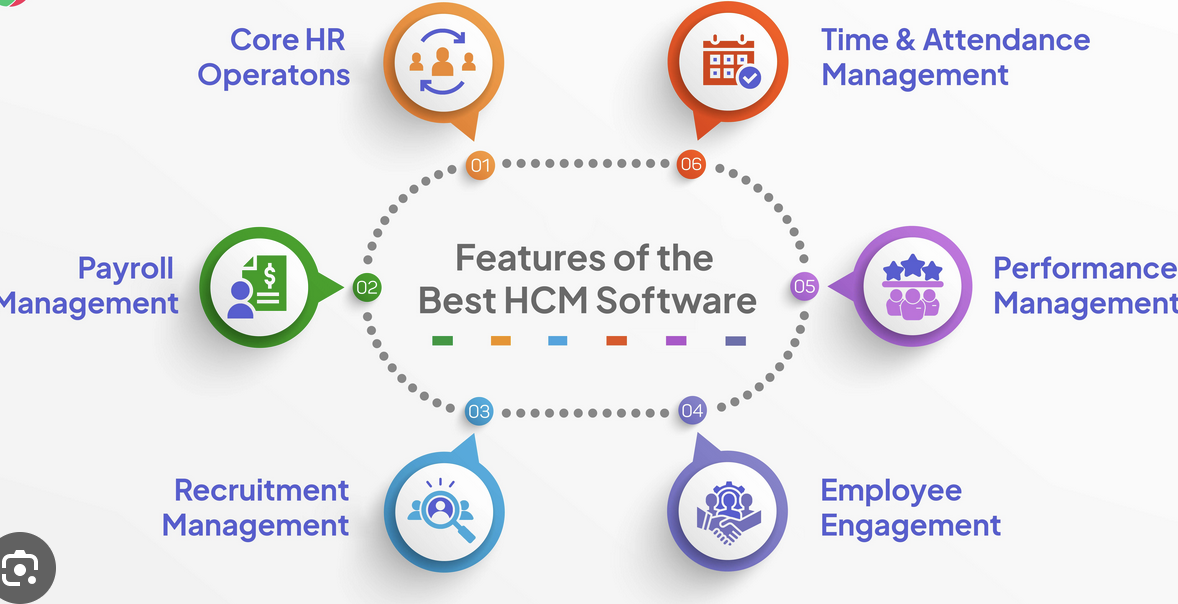
Key Features of HCM Software
Employee Data Management
HCM software allows businesses to centralize employee data, including personal information, employment history, and performance metrics. This streamlines administrative tasks and ensures data accuracy.
Payroll Processing
Efficient payroll processing is essential for any organization. HCM software automates payroll calculations, tax deductions, and compliance with labor regulations, reducing errors and saving time.
Time and Attendance Tracking
With built-in time and attendance tracking features, HCM software enables employees to clock in and out electronically. This data can be used for accurate payroll processing and monitoring of employee attendance patterns.
Performance Management
Effective performance management is crucial for employee development and organizational success. HCM software facilitates goal setting, performance evaluations, and feedback mechanisms to drive employee engagement and productivity.
Recruitment and Onboarding
Recruiting and onboarding new employees can be time-consuming and resource-intensive. HCM software streamlines these processes by automating job postings, applicant tracking, and new hire paperwork.
Training and Development
Investing in employee training and development is essential for retaining top talent and fostering continuous improvement. HCM software offers learning management systems (LMS) to deliver online training courses and track employee progress.
Analytics and Reporting
Data-driven decision-making is becoming increasingly important in business. HCM software provides robust analytics and reporting capabilities to identify trends, measure performance, and forecast future workforce needs.
Benefits of Implementing HCM Software
Implementing HCM software offers numerous benefits for businesses of all sizes.
Increased Efficiency and Productivity
By automating repetitive tasks and streamlining processes, HCM software frees up valuable time for HR professionals to focus on strategic initiatives.
Enhanced Employee Experience
HCM software improves the overall employee experience by providing self-service options, personalized training opportunities, and transparent communication channels.
Compliance with Regulations
Compliance with labor laws and regulations is critical for avoiding legal risks and financial penalties. HCM software helps ensure compliance by automating regulatory reporting and monitoring changes in legislation.
Data-Driven Decision-Making
Access to real-time data and analytics empowers organizations to make informed decisions about workforce planning, talent management, and resource allocation.
Factors to Consider When Choosing HCM Software
When evaluating HCM software solutions, organizations should consider several factors to ensure they select the best fit for their needs.
Scalability
As businesses grow and evolve, their HCM needs may change. It’s essential to choose a scalable solution that can accommodate future growth without requiring significant upgrades or customization.
Integration Capabilities
HCM software should seamlessly integrate with other systems and applications used within the organization, such as ERP software, time and attendance systems, and accounting software.
User-Friendliness
An intuitive user interface is crucial for widespread adoption and user satisfaction. HCM software should be easy to navigate and require minimal training for users to become proficient.
Customization Options
Every organization has unique requirements and workflows. HCM software should offer customization options to tailor the system to specific business needs and preferences.
Customer Support
Responsive customer support is essential for resolving technical issues, answering questions, and providing guidance on best practices. Organizations should choose a vendor with a reputation for excellent customer service.
Popular HCM Software Solutions
Several HCM software solutions are widely recognized for their robust features and reliability.
SAP SuccessFactors
SAP SuccessFactors offers a comprehensive suite of HCM solutions, including core HR, talent management, and workforce analytics.
Oracle HCM Cloud
Oracle HCM Cloud provides a scalable and flexible platform for managing HR processes, from recruitment to retirement.
Workday
Workday’s unified HCM and financial management system offers a modern, cloud-based solution for managing HR, payroll, and employee benefits.
ADP Workforce Now
ADP Workforce Now is a cloud-based HCM platform designed for midsize and large businesses, offering payroll, HR, and talent management solutions.
BambooHR
BambooHR is a user-friendly HR software solution designed for small and medium-sized businesses, offering applicant tracking, onboarding, and performance management tools.
Case Studies
To illustrate the benefits of implementing HCM software, let’s examine two case studies.
Case Study 1: Company A
Company A, a multinational corporation with thousands of employees, implemented SAP SuccessFactors to streamline its HR processes and improve workforce management. By centralizing employee data and automating routine tasks, Company A reduced administrative overhead and improved data accuracy. The company also leveraged SuccessFactors’ performance management module to set clear goals, track employee progress, and identify top performers for career advancement opportunities.
Case Study 2: Company B
Company B, a rapidly growing startup, chose BambooHR as its HCM solution due to its user-friendly interface and scalability. BambooHR helped Company B automate its recruitment and onboarding processes, allowing the HR team to focus on strategic initiatives rather than administrative tasks. The company also utilized BambooHR’s performance management tools to provide ongoing feedback and coaching to employees, fostering a culture of continuous improvement and employee development.
Future Trends in HCM Software
As technology continues to evolve, several trends are shaping the future of HCM software.
Artificial Intelligence and Machine Learning Integration
AI and machine learning algorithms are increasingly being integrated into HCM software to automate repetitive tasks, personalize employee experiences, and provide predictive analytics for workforce planning.
Remote Work and Mobile Optimization
With the rise of remote work and distributed teams, HCM software is adapting to accommodate mobile devices and remote access, enabling employees to access HR resources and complete tasks from anywhere, at any time.
Predictive Analytics
Predictive analytics capabilities are becoming more sophisticated, allowing organizations to anticipate future workforce trends, identify potential risks, and proactively address talent gaps.
Conclusion
In conclusion, HCM software plays a crucial role in modern businesses by streamlining HR processes, enhancing the employee experience, and facilitating data-driven decision-making. By investing in the right HCM solution, organizations can improve efficiency, compliance, and overall workforce management.