Best HRIS Systems – Human Resource Information System (HRIS) has revolutionized the way businesses manage their workforce. From streamlining administrative tasks to enhancing employee experience, HRIS systems play a pivotal role in modern organizational management. In this article, we’ll delve into the fundamentals of HRIS systems, explore their key features, discuss the benefits of implementation, guide you through the process of choosing the right system, highlight some popular options in the market, and provide insights into implementation, training, measuring ROI, and future trends.
What is Best HRIS Systems?
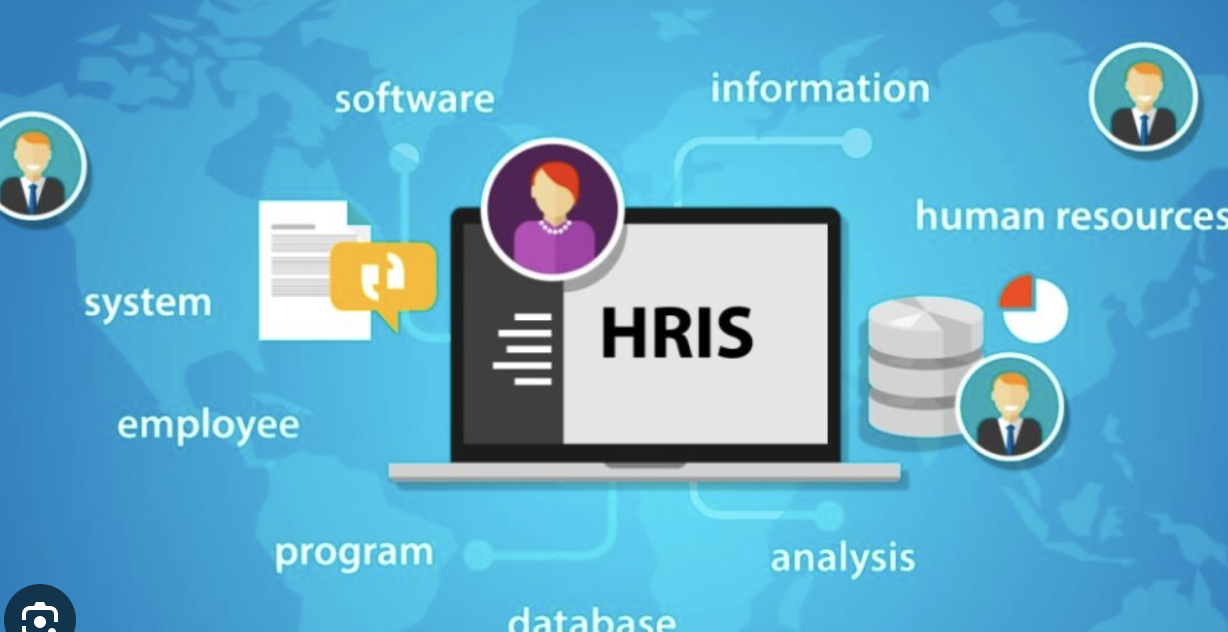
Best HRIS (Human Resource Information System) systems are comprehensive software solutions designed to streamline and optimize various HR functions within an organization. These systems integrate essential HR processes, such as employee data management, payroll processing, benefits administration, time and attendance tracking, recruitment and onboarding, and performance management, into a single platform. By centralizing HR operations and automating repetitive tasks, HRIS systems help businesses enhance efficiency, improve data accuracy, ensure regulatory compliance, make informed decisions, and elevate the overall employee experience.
HRIS systems vary in features, functionalities, and scalability to meet the diverse needs of different organizations. Some of the best HRIS systems available in the market include Oracle HCM Cloud, Workday, SAP SuccessFactors, BambooHR, and ADP Workforce Now. These systems offer user-friendly interfaces, robust reporting and analytics capabilities, seamless integration with other business applications, and customizable solutions to adapt to evolving business requirements.
The Evolution of Best HRIS Systems
1. Early Beginnings
In the early days, HRIS systems primarily served as electronic databases for storing employee information such as contact details, job titles, and salary records. These systems replaced traditional paper-based filing systems, offering HR professionals a more efficient way to manage personnel data.
2. Transition to Integrated Systems
As businesses recognized the need for more comprehensive HR solutions, HRIS systems evolved to encompass a wider range of functionalities. Integrated HRIS systems emerged, combining core HR modules like payroll, benefits administration, and timekeeping into a single platform. This integration facilitated smoother workflows, improved data accuracy, and enhanced decision-making capabilities for HR departments.
3. Adoption of Cloud Technology
The advent of cloud technology revolutionized the HRIS landscape, paving the way for cloud-based HRIS solutions. Cloud HRIS systems offered greater flexibility, scalability, and accessibility compared to on-premises solutions. Organizations could now access their HRIS platforms remotely, enabling remote work capabilities and facilitating collaboration across geographically dispersed teams.
4. Focus on User Experience
With the rise of user-centric design principles, modern HRIS systems began prioritizing user experience. Intuitive interfaces, customizable dashboards, and self-service functionalities became standard features, empowering both HR professionals and employees to navigate the system with ease. This focus on usability contributed to higher adoption rates and increased user satisfaction.
5. Incorporation of Artificial Intelligence
Recent advancements in artificial intelligence (AI) have further transformed HRIS systems, enabling them to leverage predictive analytics, natural language processing, and machine learning algorithms. AI-powered HRIS systems can now automate repetitive tasks, predict future workforce trends, and provide actionable insights to HR leaders, empowering them to make data-driven decisions that drive business success.
Importance of HRIS Systems in Modern Business
In today’s dynamic business landscape, where talent management is crucial for success, HRIS systems offer a myriad of benefits. They enable organizations to effectively manage their workforce, improve operational efficiency, and make data-driven decisions that drive business growth.
Key Features of HRIS Systems
HRIS systems come equipped with a range of features and functionalities tailored to meet the diverse needs of businesses. Some of the key features include:
Employee Data Management
HRIS systems allow HR professionals to store, update, and retrieve employee information easily. From personal details to performance evaluations, all data can be securely managed within the system.
Payroll Processing
Automating payroll processes reduces manual errors and ensures timely and accurate payment to employees. HRIS systems streamline payroll calculations, tax deductions, and compliance with labor regulations.
Benefits Administration
Managing employee benefits such as health insurance, retirement plans, and leave policies can be complex. HRIS systems simplify benefits administration by providing tools for enrollment, tracking, and compliance management.
Time and Attendance Tracking
Tracking employee attendance, leaves, and work hours is essential for payroll processing and workforce management. HRIS systems offer time tracking features that automate attendance recording and streamline time-off requests.
Recruitment and Onboarding
From posting job openings to conducting interviews and onboarding new hires, HRIS systems streamline the entire recruitment process. They provide tools for applicant tracking, resume screening, and seamless integration with onboarding procedures.
Performance Management
Effective performance management is vital for employee development and organizational success. HRIS systems facilitate goal setting, performance evaluations, feedback collection, and performance analytics to drive continuous improvement.
Benefits of Implementing HRIS Systems
The implementation of HRIS systems offers numerous benefits to organizations, including:
Efficiency and Time-saving
By automating routine HR tasks and processes, HRIS systems free up valuable time for HR professionals to focus on strategic initiatives and employee engagement.
Data Accuracy and Security
Centralized data storage and access controls ensure the integrity and security of employee information, minimizing the risk of data breaches and compliance violations.
Compliance with Regulations
HRIS systems help organizations stay compliant with labor laws, regulations, and industry standards by automating compliance reporting and documentation.
Better Decision-making
Access to real-time data and analytics enables HR leaders to make informed decisions about talent management, workforce planning, and organizational development.
Enhanced Employee Experience
HRIS systems improve the employee experience by providing self-service portals, personalized communication, and access to essential HR resources.
Choosing the Right HRIS System
Selecting the best HRIS system for your organization requires careful consideration of several factors, including:
Assessing Business Needs
Identify your organization’s specific HR requirements, pain points, and goals to determine the features and functionalities you need in an HRIS system.
Scalability and Flexibility
Choose a scalable HRIS solution that can grow with your business and adapt to changing needs and requirements over time.
Integration Capabilities
Ensure compatibility and seamless integration with existing HR systems, payroll software, and other business applications to maximize efficiency and productivity.
User-friendliness
Select an HRIS system that is intuitive and easy to use for both HR professionals and employees, minimizing the need for extensive training and support.
Cost Considerations
Evaluate the total cost of ownership, including upfront costs, subscription fees, implementation expenses, and ongoing maintenance and support costs, to determine the affordability of the HRIS system.
Popular HRIS Systems in the Market
While there are numerous HRIS systems available in the market, some of the most popular options include:
- Oracle HCM Cloud
- Workday
- SAP SuccessFactors
- BambooHR
- ADP Workforce Now
Each of these systems offers unique features and benefits tailored to meet the diverse needs of businesses across various industries.
Implementation and Training
Successful implementation of an HRIS system requires careful planning, execution, and training. Here are some key considerations:
Planning the Implementation Process
Develop a comprehensive implementation plan outlining the timeline, milestones, responsibilities, and resources required for a successful rollout of the HRIS system.
Providing Adequate Training to Users
Invest in training programs and resources to ensure that HR professionals and employees are proficient in using the HRIS system effectively.
Addressing Potential Challenges
Anticipate and address potential challenges and obstacles that may arise during the implementation process, such as resistance to change, technical issues, and data migration challenges.
Measuring ROI and Success
To measure the return on investment (ROI) and success of your HRIS implementation, consider the following:
Establishing KPIs
Define key performance indicators (KPIs) and metrics to track the impact of the HRIS system on HR processes, employee productivity, and business outcomes.
Tracking Improvements in HR Processes
Monitor and evaluate improvements in HR processes, such as time savings, reduction in administrative tasks, and improved data accuracy and compliance.
Gathering Feedback from Users
Solicit feedback from HR professionals and employees to identify areas for improvement and optimize the use of the HRIS system to meet evolving needs and expectations.
Future Trends in HRIS
As technology continues to evolve, HRIS systems are expected to incorporate advanced features and capabilities to meet the changing needs of businesses. Some emerging trends include:
- AI and Predictive Analytics: Leveraging artificial intelligence and predictive analytics to enhance recruitment, performance management, and employee engagement.
- Mobile Accessibility: Offering mobile-friendly interfaces and applications to enable remote access and on-the-go HR management.
- Integration with Other Business Systems: Integrating HRIS systems with other business systems such as ERP, CRM, and workforce planning tools to streamline processes and improve data visibility.
- Customization and Personalization: Providing customizable and personalized experiences for HR professionals and employees to meet individual preferences and needs.
Conclusion
In conclusion, HRIS systems play a vital role in modern organizational management by streamlining HR processes, enhancing employee experience, and driving business growth. By understanding the key features, benefits, and considerations associated with HRIS implementation, organizations can choose the right system that aligns with their goals and objectives, ultimately leading to improved efficiency, productivity, and employee satisfaction.